Beginner Sourdough Bread Recipe
Introduction
This beginner sourdough bread recipe guides you through creating a delicious, crusty loaf from scratch. With simple ingredients and easy-to-follow steps, even first-timers can enjoy baking their own fragrant sourdough at home.
Ingredients
- 80 grams ripe sourdough starter (about 1/3 cup)
- 80 grams water (warm or cool depending on temperature, 1/3 cup)
- 80 grams all-purpose flour (about 2/3 cup)
- 230 grams levain or sourdough starter (about 1 cup)
- 400 grams water, room temperature (about 1 3/4 cups)
- 600 grams bread flour or all-purpose flour (about 4 1/2 cups)
- 12 grams salt (about 2 teaspoons)
Instructions
- Step 1: Prepare the levain by mixing 80 grams of starter, 80 grams water, and 80 grams flour in a container. Cover and let it sit at 78-80ºF for 3-4 hours until bubbly and doubled in size. If you have an active starter, you can skip this step and use it directly.
- Step 2: In a large bowl, combine 230 grams of levain, 400 grams room temperature water, 600 grams flour, and 12 grams salt. Mix with a wooden spoon or dough whisk until it forms a shaggy ball. Cover and let rest for 1 hour at 78-80ºF.
- Step 3: Perform the first stretch and fold: uncover the dough, pick up the underside and fold it over the top, turning the bowl after each fold. Do this three times, then cover and let rest for 1 hour at 78-80ºF.
- Step 4: Repeat the stretch and fold process two more times, with 1 hour rests between each, for a total of three sets. The dough should become more elastic and cohesive with each fold.
- Step 5: After the final fold, cover the dough and let it rest for another 1-2 hours at 78-80ºF, until it has risen about 40% and shows bubbles on the surface.
- Step 6: Cover the bowl tightly and refrigerate overnight for cold fermentation, anywhere from 12 to 48 hours.
- Step 7: Preheat your oven to 500ºF with a Dutch oven inside for at least 30 minutes before baking.
- Step 8: Remove the dough from the fridge and shape it into a round loaf on a piece of parchment paper. Use wet hands if the dough is sticky.
- Step 9: Score the top of the loaf with one or two simple slashes using a sharp knife.
- Step 10: Carefully place the dough with parchment into the hot Dutch oven, cover, and reduce oven temperature to 450ºF. Bake for 25 minutes.
- Step 11: Remove the lid and bake uncovered for an additional 20 minutes until the bread reaches an internal temperature of 205ºF.
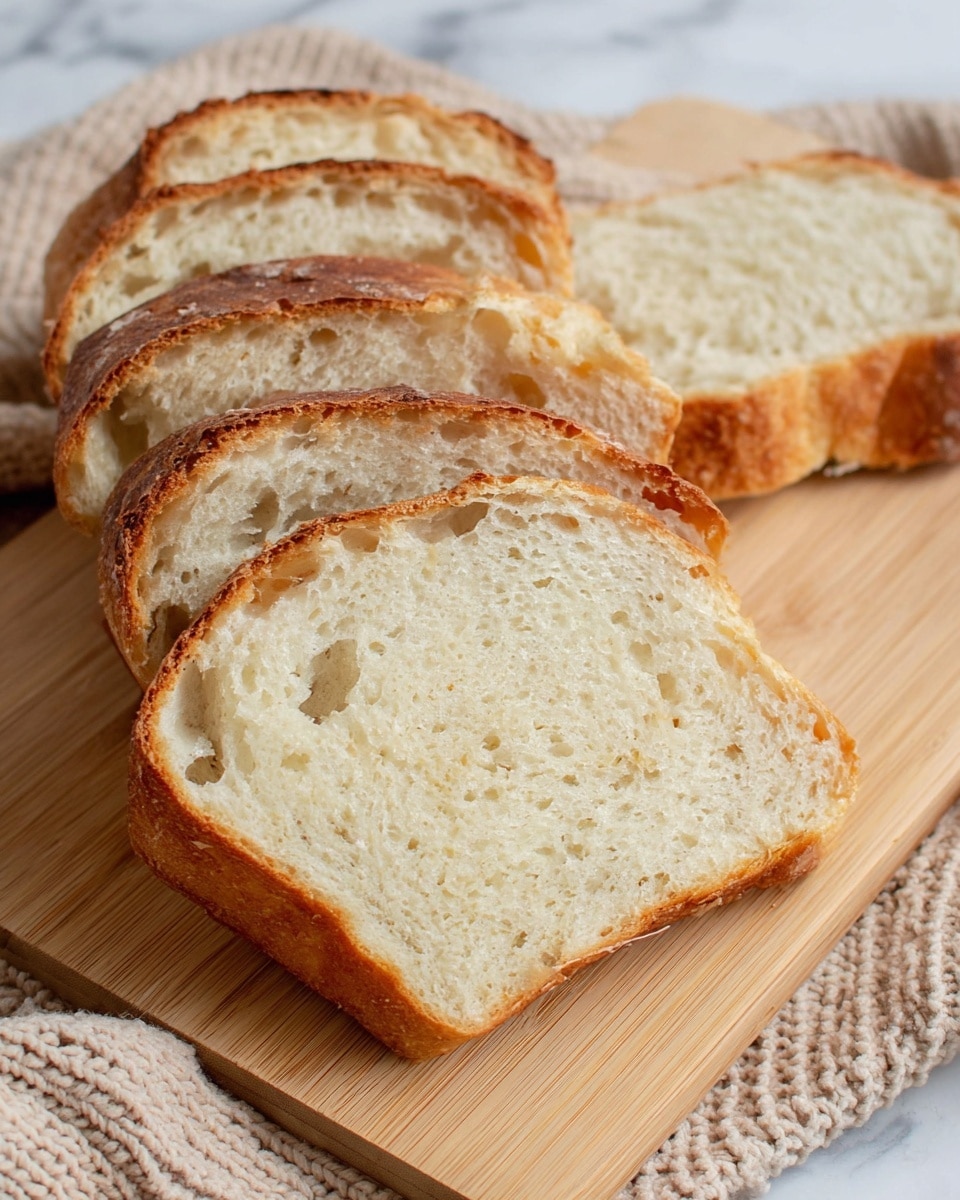
- Step 12: Take the bread out and let it cool completely before slicing. Enjoy your fresh homemade sourdough!
Tips & Variations
- Use bread flour for a chewier crumb or all-purpose flour for a lighter texture.
- If you want to bake the bread the same day, shorten the fermentation time but expect a milder flavor.
- Keep dough temperature consistent between 78-80ºF for best fermentation results.
- Keep your hands wet while shaping to handle sticky dough easily.
Storage
Store sourdough bread at room temperature wrapped loosely in a clean towel or paper bag to maintain the crust for up to 3 days. For longer storage, slice and freeze the bread tightly wrapped. To refresh, reheat slices in a toaster or oven until warm and crisp.
How to Serve
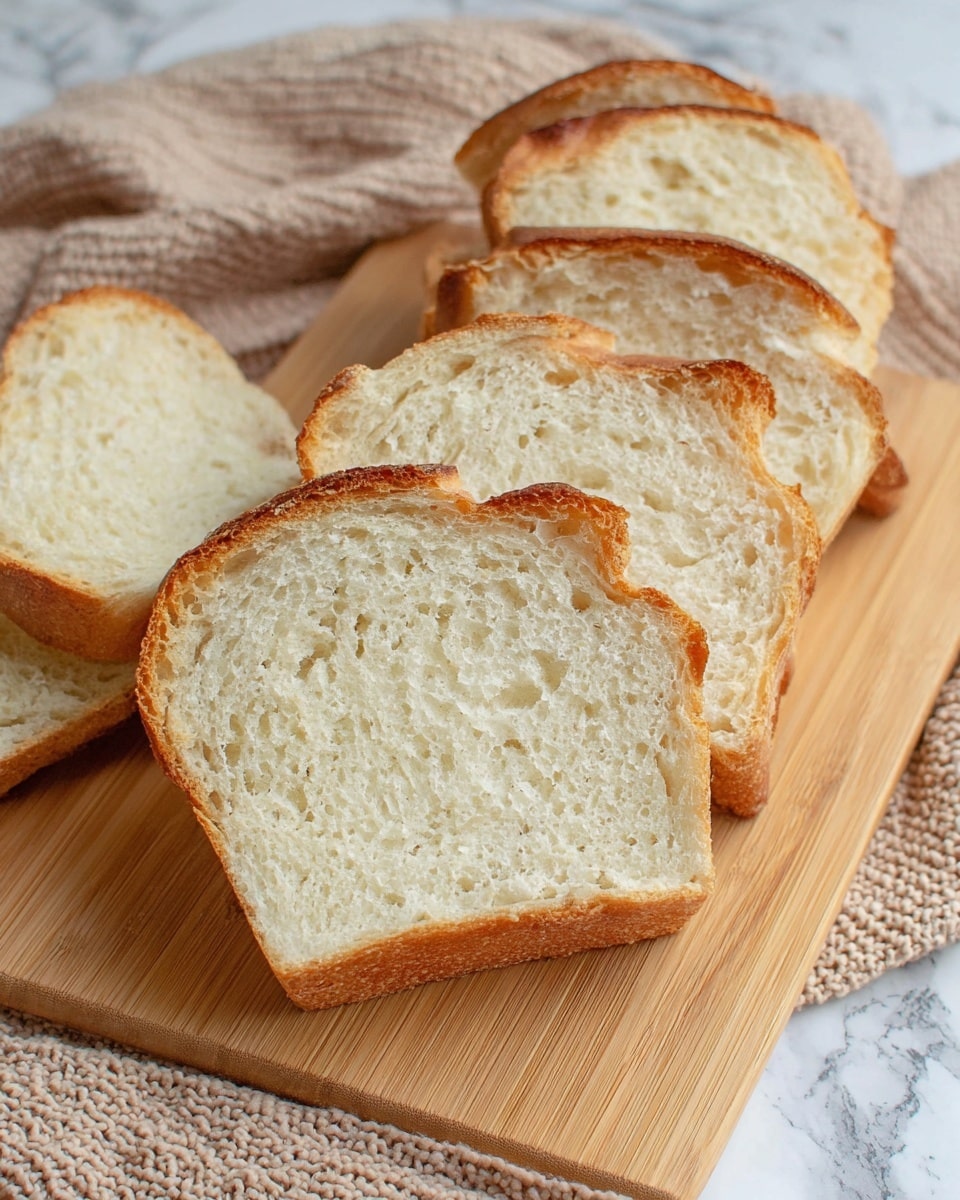
Serve this delicious recipe with your favorite sides.
FAQs
Can I use inactive sourdough starter instead of levain?
It’s best to use an active, bubbly starter or prepare the levain as directed. Inactive starter won’t ferment the dough properly, resulting in dense bread.
What if my dough hasn’t risen much after fermentation?
Check the dough temperature; it should be around 78-80ºF. If cooler, the fermentation slows down. Allow more time for the dough to rise before proceeding to the next step.
PrintBeginner Sourdough Bread Recipe
This Beginner Sourdough Bread recipe guides you through the complete process of making a classic sourdough loaf from scratch. Perfect for novices, it includes detailed steps from mixing the levain to shaping, scoring, and baking your bread in a Dutch oven for a rustic crust and tender crumb. The dough undergoes a slow fermentation with stretch and folds to develop flavor and structure, resulting in 16 delicious servings of homemade artisan bread.
- Prep Time: 4 hours 30 minutes
- Cook Time: 45 minutes
- Total Time: 25 hours 45 minutes
- Yield: 16 servings 1x
- Category: Bread
- Method: Baking
- Cuisine: American
- Diet: Vegetarian
Ingredients
Levain
- 80 grams ripe sourdough starter (about 1/3 cup)
- 80 grams water (warm or cool depending on temperature, about 1/3 cup)
- 80 grams all purpose flour (about 2/3 cup)
Dough
- 230 grams levain or sourdough starter (about 1 cup)
- 400 grams water, room temperature (about 1 3/4 cups)
- 600 grams bread flour or all purpose flour (about 4 1/2 cups)
- 12 grams salt (about 2 teaspoons)
Instructions
- Mix Levain: In a clear liquid measuring cup, combine 80 grams of sourdough starter, 80 grams water, and 80 grams flour. Stir well, cover, and let sit at a warm room temperature (78-80ºF) for 3-4 hours until bubbly and doubled in size, just about to fall. This levain is your active ferment to mix into the dough.
- Mix Dough: Add 230 grams of ripe levain, 400 grams of room temperature water, 600 grams of flour, and 12 grams of salt into a bowl. Using a wooden spoon or dough whisk, mix until the dough forms a rough, shaggy ball. Cover and let rest for 1 hour at 78-80ºF.
- First Stretch & Fold: After the initial rest, uncover the dough and perform three stretch-and-folds: lift a portion of dough from underneath and fold it over the top, turning the bowl between folds. Cover again and rest for another hour at 78-80ºF.
- Second Stretch & Fold: Repeat the same sequence of three stretch-and-folds. The dough will look more cohesive and elastic now. Cover and let rest for an additional hour at the same temperature.
- Third Stretch & Fold: Repeat the final series of three stretch-and-folds. Cover and allow the dough to rest for 1 to 2 more hours, maintaining the temperature around 78-80ºF.
- Check Dough Readiness: After 4-5 hours, the dough should have risen approximately 40%, show bubbles on the surface, pull away from the bowl sides, dome in the center, and feel elastic. If not, allow for an extra 30 minutes rest. Make sure the dough temperature remains between 78-80ºF.
- Cold Fermentation: Cover the dough bowl with plastic wrap or a lid and place it in the refrigerator overnight, between 12 to 48 hours. This slow fermentation enhances flavor and texture.
- Preheat Oven and Dutch Oven: At least 30 minutes before baking, put a Dutch oven with lid in your oven and preheat to 500ºF. Allow the Dutch oven to heat thoroughly.
- Shape Dough: Remove the cold dough from the fridge and place it on a clean surface. Using wet hands if needed, gently shape it into a tight, round ball by dragging and folding the dough on the counter. Transfer the shaped dough onto a sheet of parchment paper.
- Score Bread: Carefully remove the preheated Dutch oven from the oven. Using a sharp knife, make one or two simple slashes on top of the dough to allow room for expansion while baking.
- Bake Bread: Place the dough on the parchment paper into the Dutch oven, cover with the lid, and immediately reduce the oven temperature to 450ºF. Bake covered for 25 minutes. Then remove the lid and bake for an additional 20 minutes until the crust is golden and internal temperature reaches 205ºF.
- Cool and Serve: Carefully remove the bread from the Dutch oven and let it cool completely before slicing to preserve the crumb structure. Enjoy your homemade sourdough bread!
Notes
- If you have a ripe, bubbly sourdough starter ready, you can substitute it directly for the levain and skip the levain mix step.
- Bread flour is preferred for better gluten development but all purpose flour can be used as a substitute.
- The dough temperature should be maintained between 78-80ºF for optimal fermentation.
- Cold fermentation can be extended up to 48 hours for deeper flavor.
- Be cautious handling the hot Dutch oven to avoid burns.
- Simple scoring is recommended for beginner bakers; intricate scoring can be practiced in advanced recipes.
- The internal temperature of fully baked bread should be 205ºF to ensure it’s cooked through.
- Allow the bread to cool completely before slicing to avoid a gummy crumb.
Keywords: sourdough bread, beginner sourdough, homemade bread, artisan bread, bread baking, Dutch oven bread, slow fermentation, stretch and fold